


Welcome to the Sunday Edition where I share interesting articles and links alongside what I’ve been up to!
Intimate Systems
I really adored this exhibition/auction curated by SuperRare last week. Intimate Systems is a showcase of interesting and novel onchain art. I’m glad this niche gets continued interest after also seeing “World Sculpture Garden” (which I highlighted in 2024) getting selected as one of ArtForum’s top art in 2025.
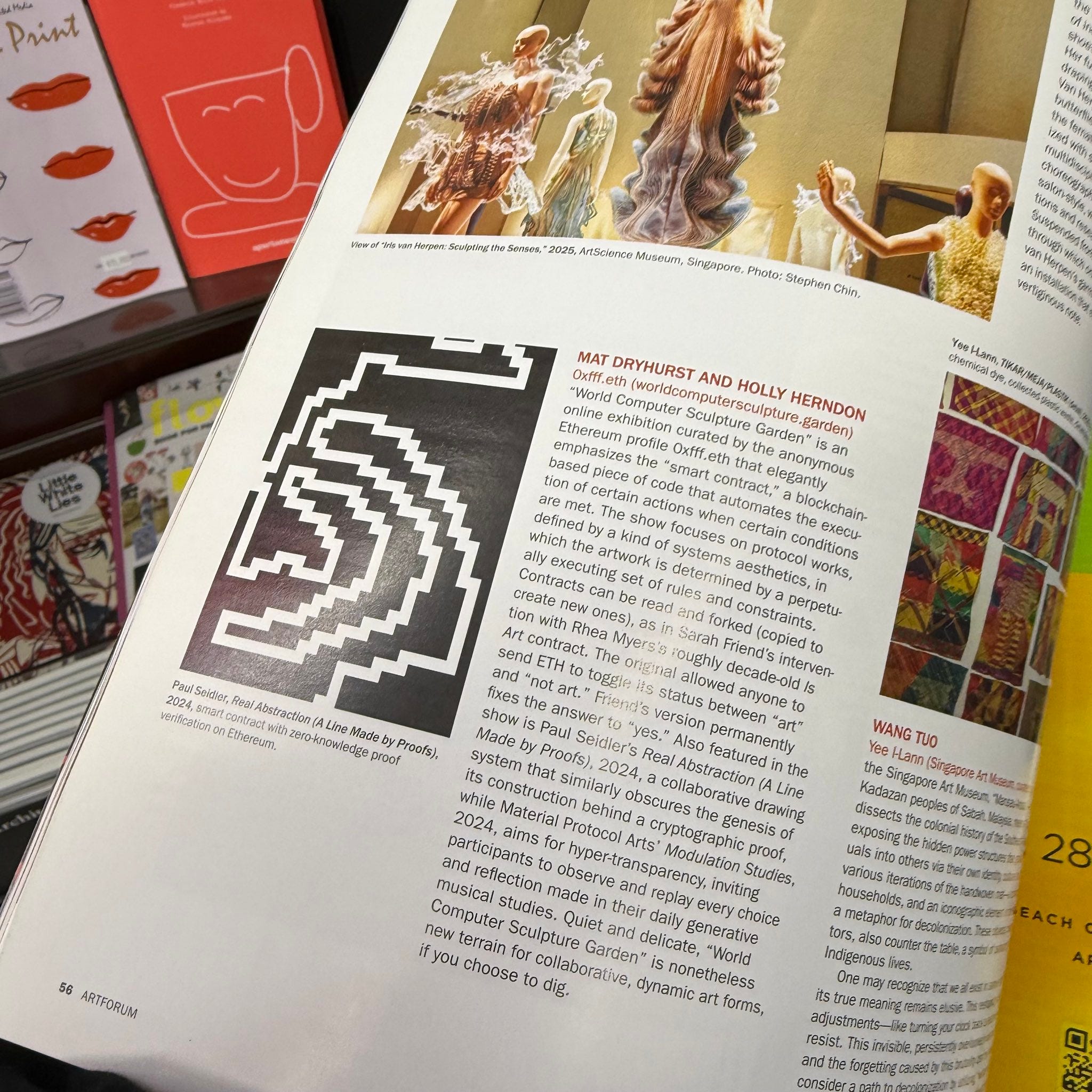
For Intimate Systems:
This exhibition highlights works that examine how individuality, perception, and expression survive within structured systems of code, logic, and networks. Artists consider how small, intimate interactions such as a pause, a repeated pattern, or a hidden mark can shape presence and meaning in digital environments.
The works on view engage with systems as material, revealing rhythm, behavior, and nuance through abstraction, participation, and generative logic. Some invite collaboration, while others quietly encode human traces into their architecture. Across these approaches, the exhibition foregrounds presence over sentiment, and structure over illustration.
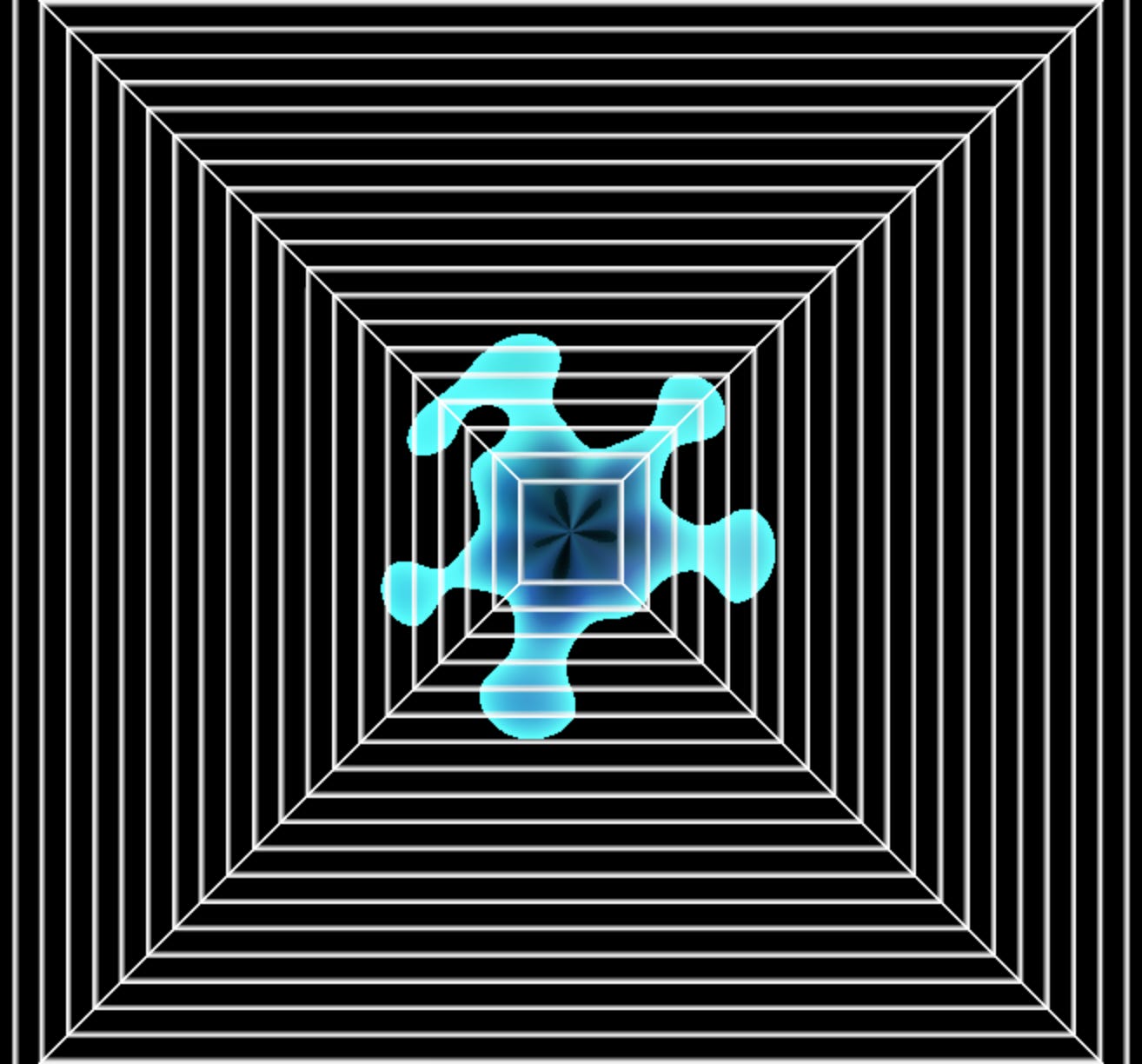
For example, Takens Theorem’s piece, Private Ledger, allows the owner to encode a zero-knowledge proof of a message into the artwork, whereafter it’s visuals change as a result. It’s using a public ledger to store a secret into the artwork.
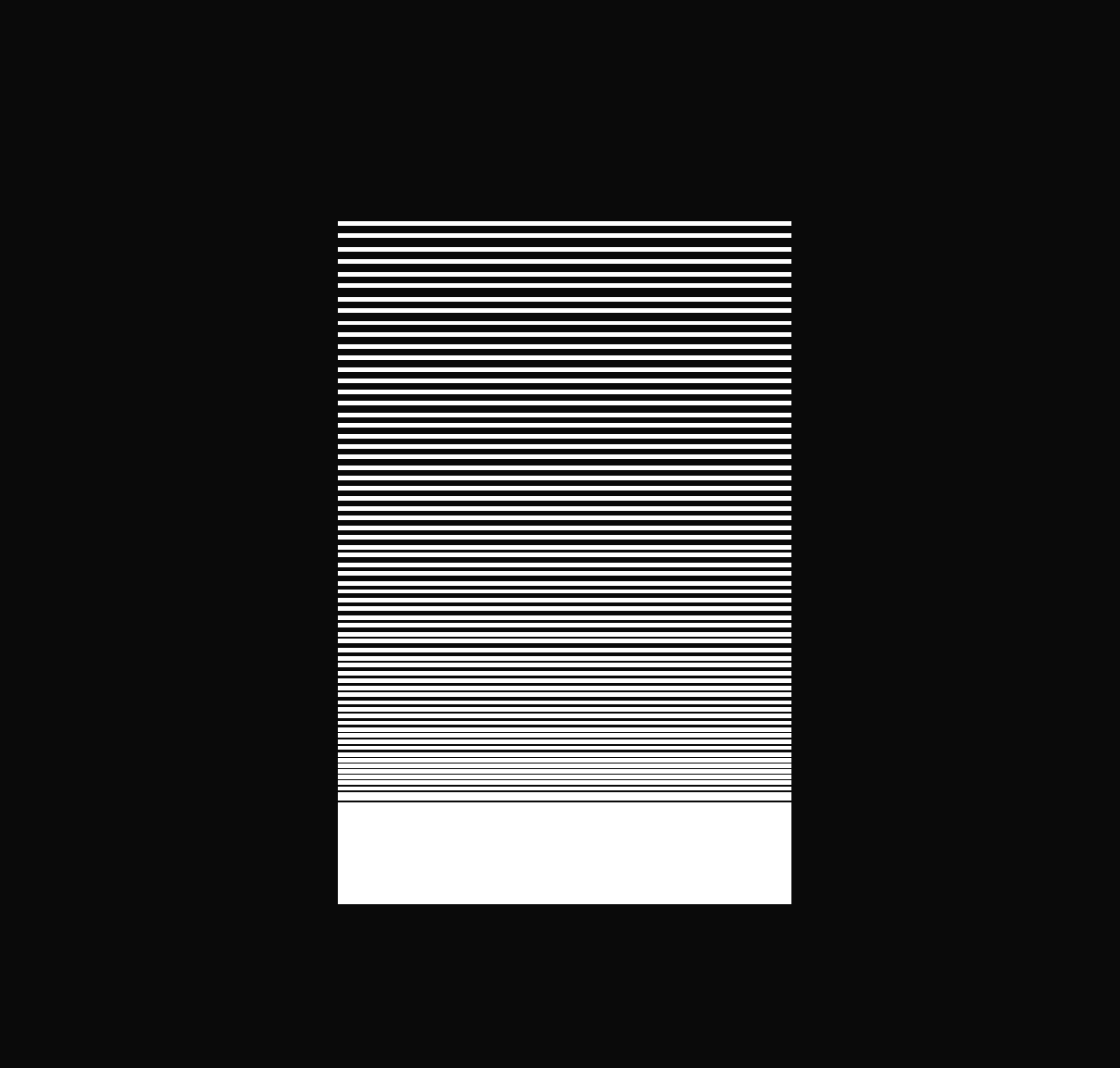
ripe’s “Here For Now” allows any person to submit some ETH and essentially “announce” their presence, adding a new line to the artwork. When you leave with your deposit, the line goes away.
Do also take a look at the rest of the exhibition. Big fan!
I think in a few years, we’ll see more of these medium-native blockchain art grow in legitimacy and importance. It does feel like the classic innovation cycle: initial hype around NFTs in 2021/2022 were skeuomorphic, simply mirroring existing conceptions on art to a new medium. But, these new artworks truly utilise the medium’s native characteristics.
In addition to Intimate Systems, I’ve been monitoring art world discussions around digital art. This past week also saw the Zero 10 exhibition at Art Basel make noise, especially with Beeple’s “art pooping tech dogs” (Regular Animals).
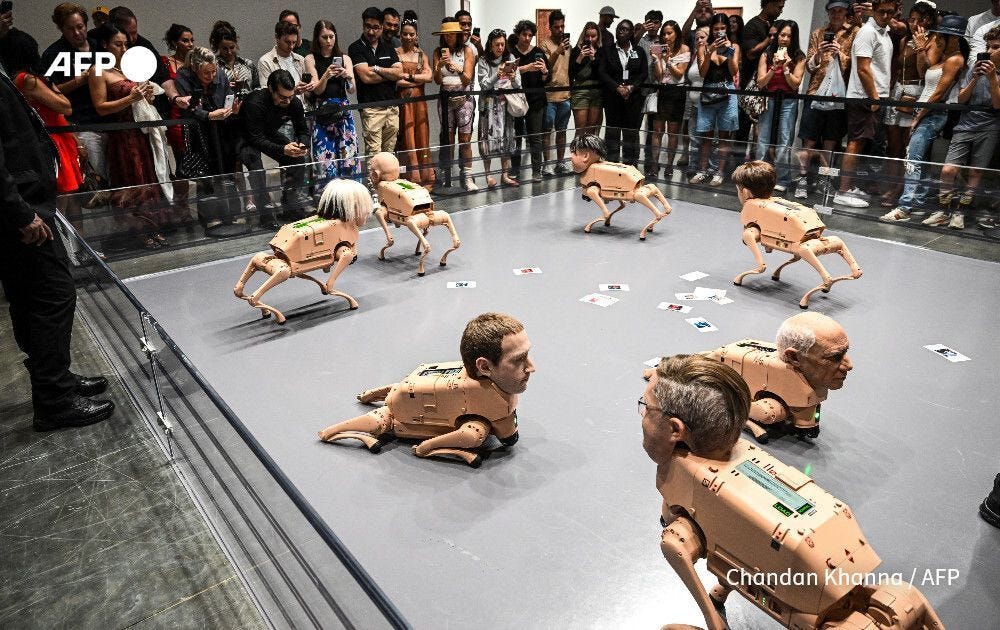
At face value this gets immediate attention, famous people’s heads on robot dogs walking around pooping out art. You can immediately see why people rushed over to take videos. But Mike (aka Beeple) explains that there’s a bit more conceptually going on than that. The piece is a commentary on how traditionally an artists job was to reimagine the world, but today the algorithms designed by a handful of billionaires have more impact on how we see the world than what artists are doing. In this piece, the robot dogs are walking around taking photos, and then using built in AI to decide which photos are most interesting, those photos in turn are converted to a “style” that represents each character and then printed, or pooped out which is a whole other commentary about art in general. These prints were collected and signed, and then given away free to attendees at different set times. Some of those free prints, 256 to be exact, also had a claim option for an NFT of the art, or rather, a piece of digital art that someone could collect. As I write this 186 of those have been claimed, and if you want to buy one on the secondary market the cheapest one listed is about $30k. Yes, art that was given away free is being sold for tens of thousands of dollars, only days later.
By exhibitors’ accounts, the section, sponsored by the NFT marketplace OpenSea, came together on a compressed timeline. Its curator, Eli Scheinman, was explicit about its aims in an interview with cryptonews.com: to bring digital-native collectors into the fair, to nudge traditional contemporary buyers to take the category seriously, and to attract younger visitors and the crypto-wealthy who have made Miami their home.
Josh Goldblum sees it as currently at odds with the classic art set:
These worlds are in conversation, but they are not merging into a single culture.
If anything, digital art and art + tech feel more like a second stage at a massive music festival. The fair itself is the main stage where legacy acts and big headliners hold court. Zero10 and its robots are the EDM tent out by the perimeter. Loud, crowded, full of energy and discovery. Some people wander over and fall in love. Most never leave the main field.
Someday that second stage might become as big or bigger than the main one. Culture has a way of inverting hierarchies when you least expect it. But right now, I do not believe it is the future of the tribe that still sees itself as the established art world.
For the moment, the Bezos robot is not a revolution. It is a very well produced ad for a parallel funnel that most of the main lounge is still just observing from a distance, if they notice it at all.
Understandably, the exhibition was at odds with historical norms. No gallery was involved and art was sold “on the floor” by the artist, with the artists being present. Some weren’t happy about that (I’m actually unsure whether this opinion is real or bait? Open to the fact that it could also be bait. But, regardless, it’s a reasonable opinion).
The fact is, the art world almost always gets stuck in boom/bust cycles of what is and isn’t art, and in there is usually an aversion to what the change means and entails. Aversion to new art is usually predominantly driven by how much it disrupts existing networks, not the merit of the art itself. New social networks or “tribes” as Josh describes, disrupts patronage systems of art and the connections that already exist. NFTs did that. As I wrote a few years ago, using the example of a novelist using new NFT distribution and monetization channels:
It not only bypasses existing relationships in the industry, but also the writer/fan relationships AND most importantly, the fan/fan relationships.
What it feels like, is that your favourite novelist is “selling out”. At this stage, it feels like they are taking money from not the usual people (“Some of them only want to speculate on your amazing work! They aren’t even fans! Sell outs! Just out to make money!”) It also changes your relationship with the writer. Previously you might have paid a handsome sum for a deluxe hardcover, but now, the writer might not have to anymore. That payment is an emotional investment. It’s just normal cognitive dissonance. We like things we paid for. Now, if the content is free, does it feel like it detracts from the experience and value of it? “If I want to feel what I felt, should I buy an NFT?” Now, your relationship changes such that it’s not a connection to the writing itself, but something else? A token? On a shared database? Then, it also changes your relationships to fans. You built relationships based on the medium, but now the medium has changed. “Wait, all the fans who bought NFTs are now posting in Discords? Will they still hang out on Reddit?”
Although the stories might not have changed, the relationships did. This is particularly the case why the furry community has pushed back. For years they were the only ones who sported animal avatars on Twitter and revelled in digital art commissions for each other. Now, they are being steamrolled by crypto and NFTs and that can cause their identity to be lumped together into a community they don’t know. The furries don’t want to be seen as the same as the bored apes because the relationships they built weren’t mediated in the same way.
So, yes, as digital collectible art keeps becoming more prominent, it will continue this process. It hasn’t died, and so it’s slowly but surely rewiring art world relationships for good.
To conclude: I think what’s indeed unnerving about Beeple’s show and the point it wanted to make, is that it makes our age more visible outside of where it comes from. We live in the algocene, a world now predominantly mediated by the algorithm. Beeple’s art is a critique of the feudal algorithms and also *of* the algorithm. It not only critiques the feed, but is also fit for going viral on the feed. Unless we opt out, the art world can’t hide from the algorithm forever and so too can’t the rest of us. Ben Roy’s viral thread on Internet Addiction also captures this:
Being so online has implications for wider culture as well. People are becoming more average over time because we’re all consuming the same content curated for us by TikTok, YouTube, Instagram, X and so on. This is often talked about as “algorithmic flattening,” and what that means is when we all consume the same inputs, we create similar outputs whether that’s in the form of art, startups, research, or even thoughts. We’re all losing our floofy spiky uniqueness and being eroded into a standard shape, which crushes originality and creativity at a societal scale.
Alternatively, it’s not about completely shutting out the algorithm, but rather finding new ways to opt in, and I think Intimate Systems provides some glimpse of that: participatory, public, and opt-in. Technology is amazing, but the biggest backlash against most of it is because we’ve lost much of the agency to opt in.
Aesthetics Matter
Speaking of opting in… Turns out, that sometimes it’s simply about making things nicer.
A new study researched how much aesthetic choices impacts NIMBY-ism. Turns out, simply making new developments look nicer (to the neighbourhood) can help densification.
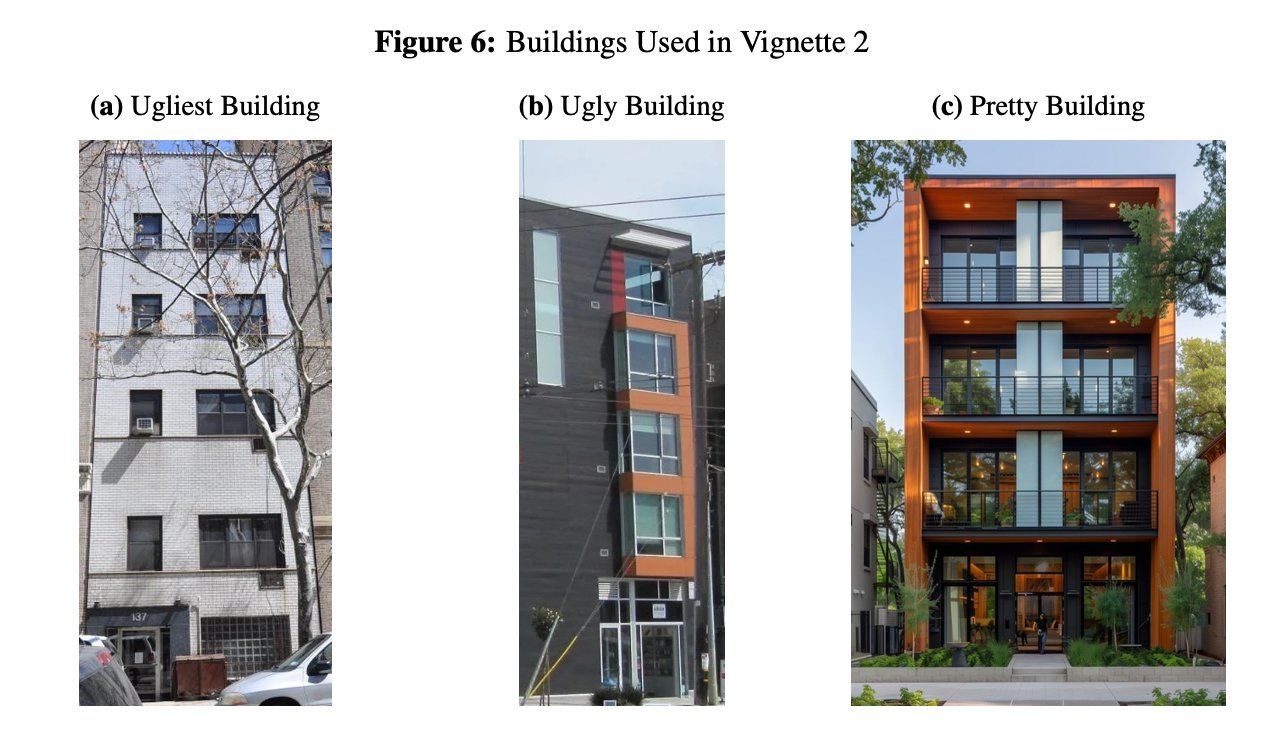
It’s made me wonder again on how legitimacy in society can be improved in novel ways. As I’ve written in the past on using simple levers like improving aesthetics around voting could actually increase voting (and thus legitimacy):
I think much of the discontent around current democracies is that we don’t sometimes feel like our vote matters. That is in part due to electoral systems themselves, but there’s a disconnect in the process. A part of reducing this disconnect can come from merely adding more ritual to the process (without disenfranchising voters). Like, dress up voting stations with the necessary flair and importance of the act. Not just some random booth in a school hall. The voting process itself is so damn important, but it always feels like an anti-climax. Celebrate it. Treat voters with the respect they deserve.
In the same sense, one could increase buy-in from a community for densification not by asking them whether something will get built or not (as a YIMBY myself, it most likely should), but simply what design they would like. It could even be a part of a fast-track process: if the community thinks the building looks nice, you get faster access to permitting?
RA’s Top Electronic Records and Songs of the Last 25 Years
Resident Advisor recently released a great list of the best electronic records, songs, and mixes of the last 25 years. Even though I listen to a good amount of electronic music, I only recognize about 10-15% of the music on these lists. I’m very excited to dig into this over the new few weeks!
What I’m Up To
Touching grass (and enjoying sunshine), mostly.
📺 Watching - Pluribus, Knives Out: Wake Up Dead Man
I’m still enjoying Pluribus. I can see some people complaining about the pace, but I’m loving the slow, wordless scenes in this. Amid the wild plot, it’s actually relaxing!
I *really* enjoyed the new Knives Out. Josh O’ Connor puts on a stellar performance and I didn’t expect to find myself tearing up several times in this film. Came in, excited for a good murder mystery, and left emotionally moved by it. Definitely my favourite of the 3 thus far.
🎶 Listening - Tourist - Love In Silence (ft. Real Lies)
I’ve been enjoying Tourist’s new album. Latest favourite is Love In Silence featuring one of my other favourite finds of 2025, Real Lies. What I like about this album is that it really captures the feeling of old school 90s trance, but it also feels 2025 at the same time.
Are you rising to the challenge
′Cause I believe, girl, you’re all that matters?
And I’d have to say on balance
That I′m so glad we are alive
Enjoy it! Hope you get to see a lovely sunset this week.
Simon