Welcome to Scenes With Simon. A monthly newsletter about many things. This month is about how design decisions in World of Warcraft can help inform us of how to design IRL spaces.
Sometimes, when you make things easier, you lose dynamism. I’ve extensively written about this in the context of the online vs the offline: the trade-off being that the near zero marginal cost of distribution and the algorithmic feed came at the cost of the beneficial friction and serendipity that kept the ‘middle’ of culture alive. But, the trade-off of ease vs social dynamism also exists in purely online spaces too.
With World of Warcraft: Forever announcing a deliberate return to turning off some of the ‘quality of life’ (QoL) improvements for the benefit of increasing regular interaction between players, it made me wonder again just how to approach this trade-off. Does World of Warcraft give us some clues to solve these tensions? When do we choose to forego ‘ease’? And how might we resist that creep?
It’s the 2000s. Turn of the Century.
I came of age at the turn of the century listening to Muse, Breaking Benjamin, and the screeching ritual calls of a dial-up modem summoning information from distant servers into the family home computer. Even at 56kb in the mid 2000s, the excitement of meeting the world from the tip of South Africa was intoxicating. Before that, the only way to experience the rest of the world was through the television, books, and sometimes, a family friend showing you photos of their travels to places like Hong Kong or Greece.
My favourite was a show called Globe Trekker on the Travel Channel (the theme song alone still gives me wanderlust).
All these places were, unfortunately, at minimum 10+ hour flights and a fortune away. For a teenager, though, what wasn’t out of reach was the early web: only about ~$1 (R7/call) for the entire weekend back in 2005 (if the parents were okay with you hogging the family landline).
There, like many nerdy millennials, I found early gaming forums, learning how to code map editors, and tinker with game developing tools like Game Maker. Core of these at the time was Warcraft 3’s map editors. It thus wasn’t a surprise that when World of Warcraft was announced, I became extremely excited.
I had been following MMO’s on the side, but WoW presented something new: to travel to a world you already enjoyed spending time in. That was pure escapism. And so, even though my lens into was shaped by the lag of a 56kb modem from South Africa, it was a glorious experience. A lot of the ‘nostalgia’ from WoW comes from the fact that in that era, it truly created a sense of place: not just in the world it created, but also the time. Before the pervasive doomscroll, before the feed became omniscient, logging into Azeroth was equivalent to visiting a far away land.
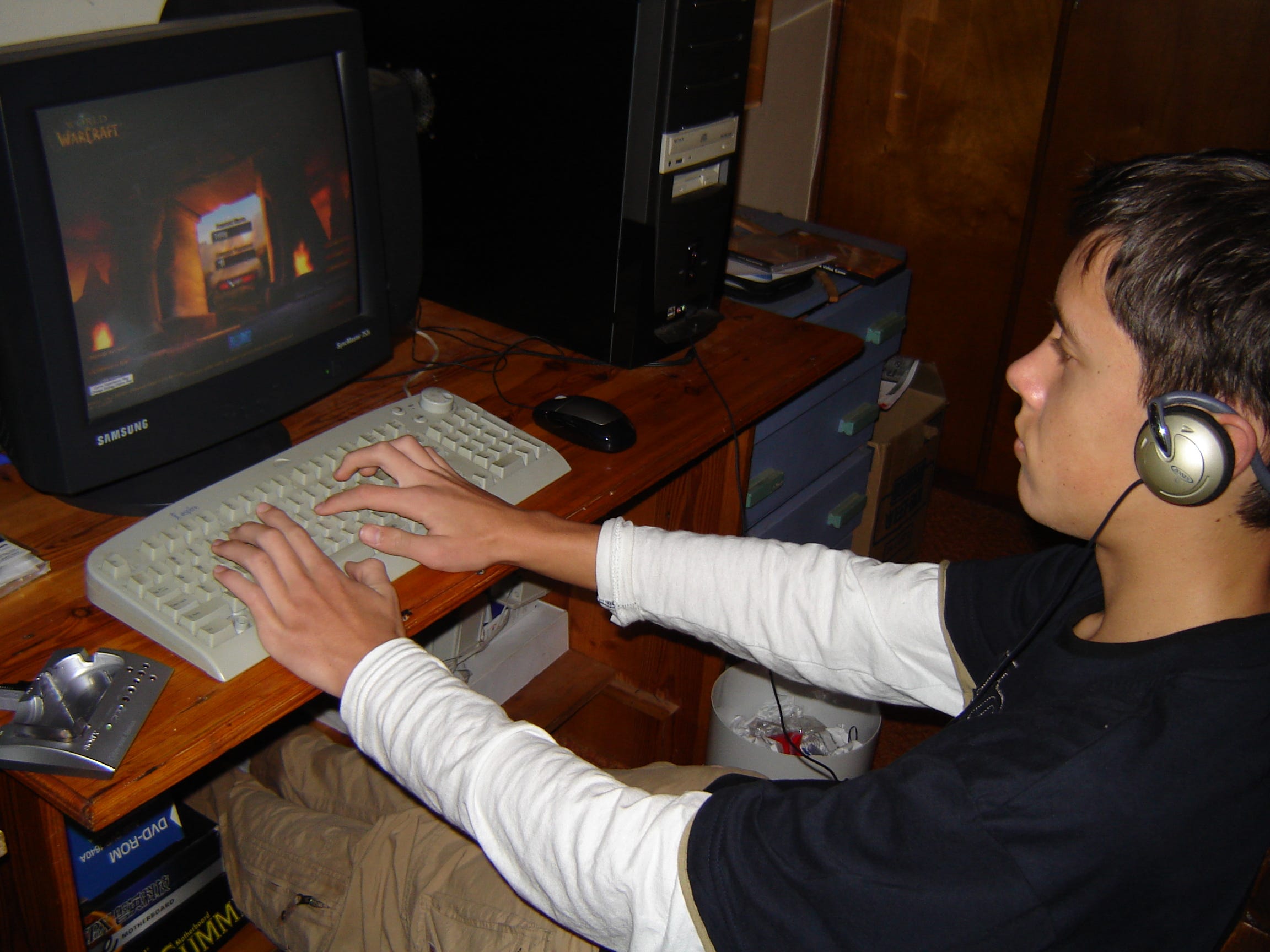
Early WoW felt big. Various ‘quality of life’ (QoL) improvements were minimal. To get to a dungeon far-away you had to venture with your friends across treacherous zones filled with monsters and enemy players (especially if you had PvP on). It felt grounded even though some parts of it were a pain-in-the-ass. And then, things slowly got easier. A key factor of this was how players could find each other to do dungeons with (instanced adventures with a group of 5 players).
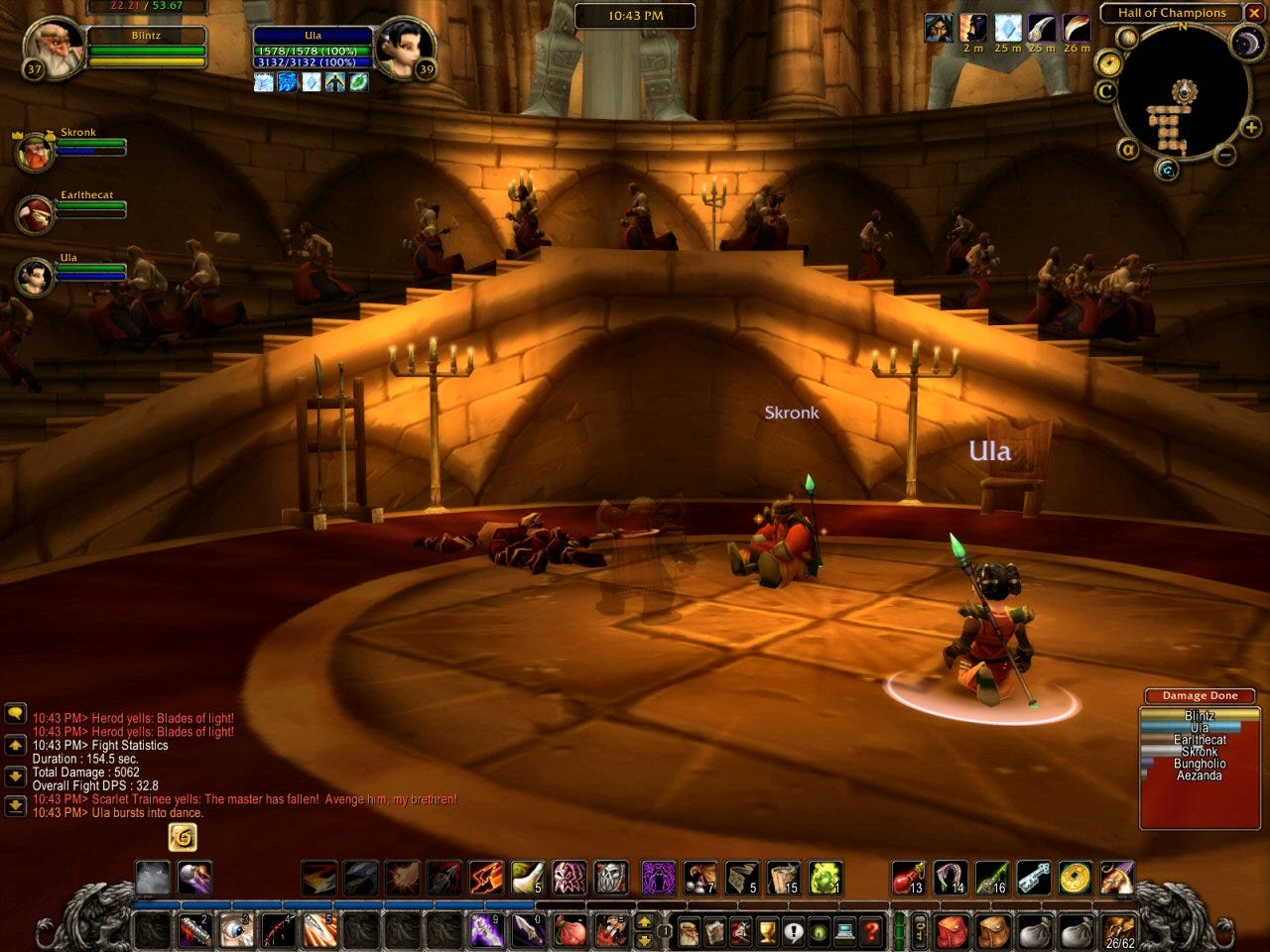
In order to take on a dungeon as a group of 5, you had to find a group through chat (friends or strangers) and then venture out to the dungeon to tackle it. If you were fortunate, a Warlock and two other players could summon the rest (the other 2) if they were already there. Later, meeting stones near the dungeons could do the same with only 2 people (and you didn’t need a Warlock). And then, the Dungeon Finder arrived with the Wrath of the Lich King expansion.
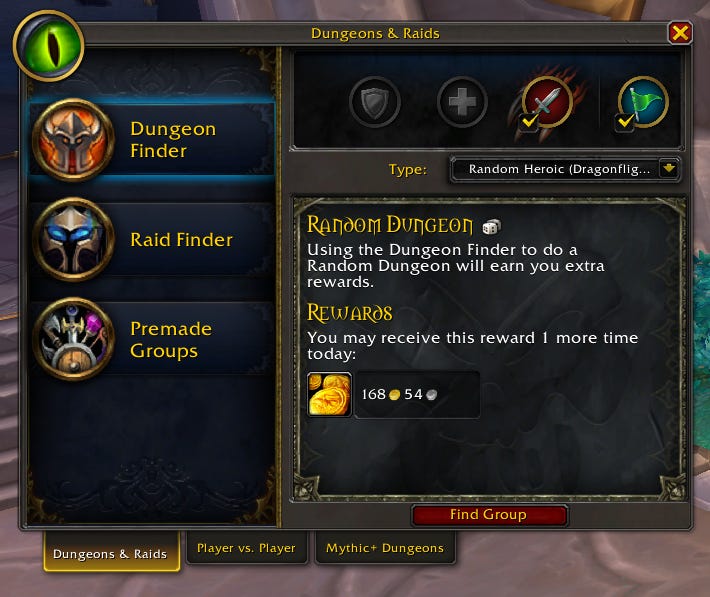
It found a group for you automatically (no need to spam chats for it), and then you immediately joined the dungeon. Afterwards, you were placed back where you were teleported from. It made it easier, but it also made the world feel smaller. Serendipity went away and it felt more like the game ran on rails rather than being in an open world.
Players did want to experience this ‘old’ WoW again when they eventually announced WoW: Classic. In short, it meant players could replay an older version of the game that mostly matched the original.
By the time WoW: Classic got to “Wrath of the Lich King” expansion again, Blizzard purposefully decided to not add the Dungeon Finder again. Their explanation:
"We know that the Classic audience is more interested in long-term social engagement, that feeling that comes from reaching out to people, talking to them about how you're going to group, trying to coordinate, who's going to do what role walking to the dungeon together, trying to figure out how you're going to get to the dungeon, who's going to summon, maybe run into a PVP fight on the way,” Birmingham says. “And then you finally get in there and you have friends that stick together with you."
But, players complained and it eventually got re-added.
Hard to say for certain which perks will carry forward, but overall our philosophy with each of these expansions has shifted to a point where we are less interested in applying (vanilla) classic or modern design philosophies to these different eras of WoW history and are instead focusing on the design space and vibe of the expansion at that time. We want to focus on the things about each of these experiences that people enjoyed and retaining them, even if they aren’t super congruent with what came before or the decisions made after. We went into Wrath with the mentality that the classic players would naturally not want things like Random Dungeon Finder and its safe to say that we were wrong there, so lesson learned.
The tension remained: make it easier at cost of serendipitous sociality.
Wow: Forever explicitly tries again to work on this tension. There’s no Dungeon Finder initially and meeting stones won’t summon players. Here’s what the designers are saying:
“We think that those moments of downtime are important for social opportunities,” Nuthals said. “People are going to talk. I think it’s one of those choices where you can look at our pillars and be like, we need to preserve that downtime before we get into the dungeon. Where like, we’re going to go kill monsters for 30, 40 minutes. Let’s have some time to get together, say hi, maybe ask about how someone’s day is and give players those opportunities to have those conversations. And that group ramp-up time, I think is a big part of that.”
..and among the rest of its design principles:
Four core pillars guide the experience: approachable and familiar, the world as the main character, the journey before the destination, and protecting and nurturing the social experiences that make Azeroth feel alive. Every addition is measured against the spirit of the original game and the feeling that it belongs in a world worth getting lost in.
That means leveling remains just as important as endgame, effort continues to matter, and rewards come from playing the game: leveling up, running dungeons, making friends, exploring the world, and taking on new challenges together.
You’ll feel that philosophy throughout the world: no flying mounts, no level scaling, and a continued focus on challenge, preparation, communication, and cooperation. We’re also being thoughtful about convenience, because every quality-of-life choice can shape the way players meet, gather, and make memories together.
It’s interesting, but in looking at these design trade-offs, I’m also looking for heuristics in how/when to make these decisions. When does it make sense to ‘stand your ground’ against ease? One way it is made easier in MMOs is that you can control progression.
Horizontal vs Vertical Progression
In MMOs, progressing vertically is usually done by increasing player power: leveling and giving players stronger items. Old content get left behind.
In MMOs, progressing horizontally is usually done by giving options, not power. New content adds diversity/dynamism. Old content (usually) stays relevant.
WoW: Forever will be primarily horizontal:
“I think when you look at how people have played Classic versions of our game before, there’s always the afterthought of, what happens to my character? Why am I investing time into this character when I know that this experience will end? That this is a seasonal experience or another expansion will come along the way? I think the beauty about World of Warcraft: Forever is we have a level 60 cap. We are going to continue to build content horizontally for players. We have things like the legacy system that encourage people to roll alts. We are going to continue to build content for every aspect of this game. The ‘forever’ is really a promise of: this is a safe place to make a character where everything that you invest your time in will matter forever.”
…which feels like it makes design decisions for social dynamism easier. You’re here to enjoy the ‘world as the main character’, not to larp up a power progression ladder. It’s reminiscent of the old Alan Watts quote:
In music, though, one doesn’t make the end of the composition the point of the composition. If that were so, the best conductors would be those who played fastest. And there would be composers who only wrote finales. People would go to a concert just to hear one crackling chord… because that’s the end!
Same way with dancing. You don’t aim at a particular spot in the room because that’s where you will arrive. The whole point of the dancing is the dance.
If WoW is about enjoying the world and the people in it, it’s easier to prioritize the features that promotes pro-sociality.
It’s matched by what matters more in the game: intrinsic or extrinsic rewards. Extrinsic progress in games, like getting more powerful, is great, but there’s also the intrinsic value of the puzzle/challenge itself. MMOs try to balance the value of intrinsic social rewards against the venue of vertical progression.
Why Touching Grass Trade-Offs Are Harder
If I’d offer a simplification:
Horizontal Progression: progress through breadth. Diversity, dynamism, optionality.
Vertical Progression: progress through depth. Specialization. Focus.
Without trying to open a too-large tangent, but in part, neoliberalism’s constant focus on specialization with the loss of the resilience of the ‘middle’ has made it feel like most of life is vertical progression over horizontal progression. You have to keep narrowing your life and focus in order to thrive. Horizontal life feels more and more worthless because people keep feeling like they are ‘falling behind’. As a WoW player states in a WoW: Forever beta review: “new content makes all your progress irrelevant”. This is directly how many people about AI or technologies that suddenly make your ‘progress irrelevant’.
This is history, however. But, pace of change has made it worse when vertical progression is the primary form of progression in society. This feeling is undoubtedly pervasive with talks like the ‘k-shaped economy’ and having to hustle to avoid the ‘permanent underclass’.
It would be easier in the real world to fuck around if your time and resources didn’t necessitate expedience. Uber Eats over a walk to a nearby restaurant where the manager knows your name. Hinge over meeting a friend-of-a-friend through your local board game community. Walking to a record store, browsing, before buying a new local band’s music over a recommendation on Spotify.
It’s not that any of these new tools aren’t useful or helpful. It’s that, in a saner world, it would add optionality. But it often doesn’t feel that way when it also hollows out the ‘middle’ of experiences.
Towards Trade-Offs
It’s easier to design for pro-social dynamism when you are in control of a game. It will be interesting to see calls for the Dungeon Finder grow louder or not as WoW: Forever progresses.
In the absence of these larger levers, the primary way to strengthen ‘mids’ is to do it through community. Don’t do a dumb phone alone (it can shift burden), do it with people.
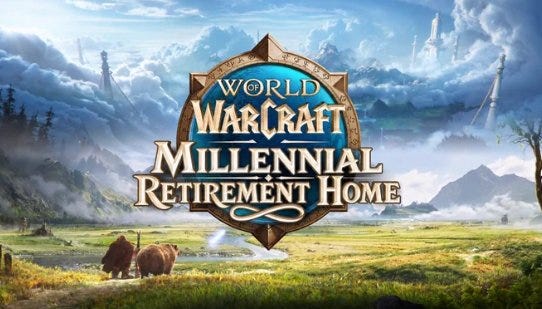
As WoW: Forever’s launch date comes closer, I’m talking to old friends again, contemplating joining them for a plane ticket back to Azeroth. We’re older now. Some are married and have kids and we’re all elsewhere in the world than the small town in South Africa we all used to live in. But, the idea of praating kak (“talking shit”) again around a virtual campfire in the Eastern Kingdoms sounds great.
If you want to go fast, go alone. If you want to go far, go together. LFG
In this issue of Scenes With Simon, I’m also soft launching a daily word game, share 5 snippets from the web, and update on what else I’ve been up to!
A Letter Elsewhere
I designed a daily word game. I wanted to test out how well the AI coding tools had developed. Last year, I also designed a small card game for fun, so I wanted to try something simple. The design goal started with the premise that a player would choose between doubling down or not based on information in front of them. The end result didn’t quite keep that mechanic, but it still kept the feeling of using cards, words, and the slow reveal of information as you play. In a sense, it shares Wordle’s mechanic that mistakes give you information, but also combines themes + categories. Restricting letter usage to cards also constrains the game in a way that feels more casual. It also kind of ‘solves’ that dilemma in Wordle-like games where you always start with the same ‘starter’ word.
In short, with “A Letter Elsewhere”, you have to guess the words 5 words from a pile of lettered cards. Put the letter in the wrong slot and it’s shuffled back in. Try to guess all the words with all the cards in less than 15 misses. Fewer misses, the better.
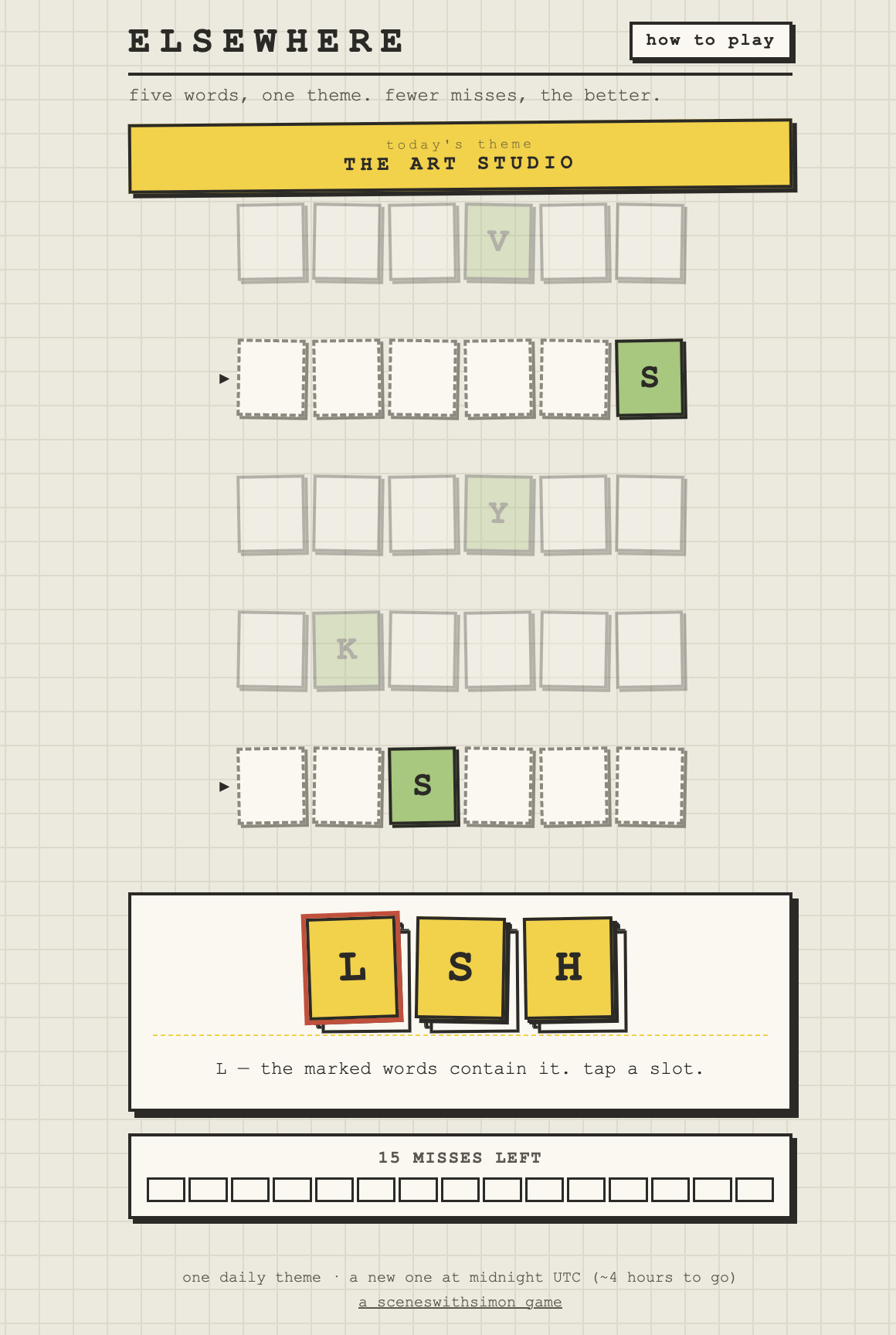
I currently curate the themes + words with the help of an AI (I designed a simple dashboard to help me with this too).
Please test and play it and give me feedback!
I must say. I really enjoyed how easily and quickly I could test variations of the design with AI coding tools. It was a great back and forth and it definitely reinvigorated my desire to design and create more small puzzle games. My initial foray into coding as a 14-year old came from coding puzzle games. I hope to make a virtual version of the other card game I designed last year. And then, hopefully play with more of these ideas in the future.
Snippets From The Web
Accidentally Amazing
I find these fascinating: people accidentally appreciating something through unintentional means.


Do you have examples of these? I think one a few musicians have made claim to, is confusing air vent ambience from ACs for beautiful distant music. When you’re drifting in and out of wakefulness, it can definitely sound angelic. 😅
New World Maps
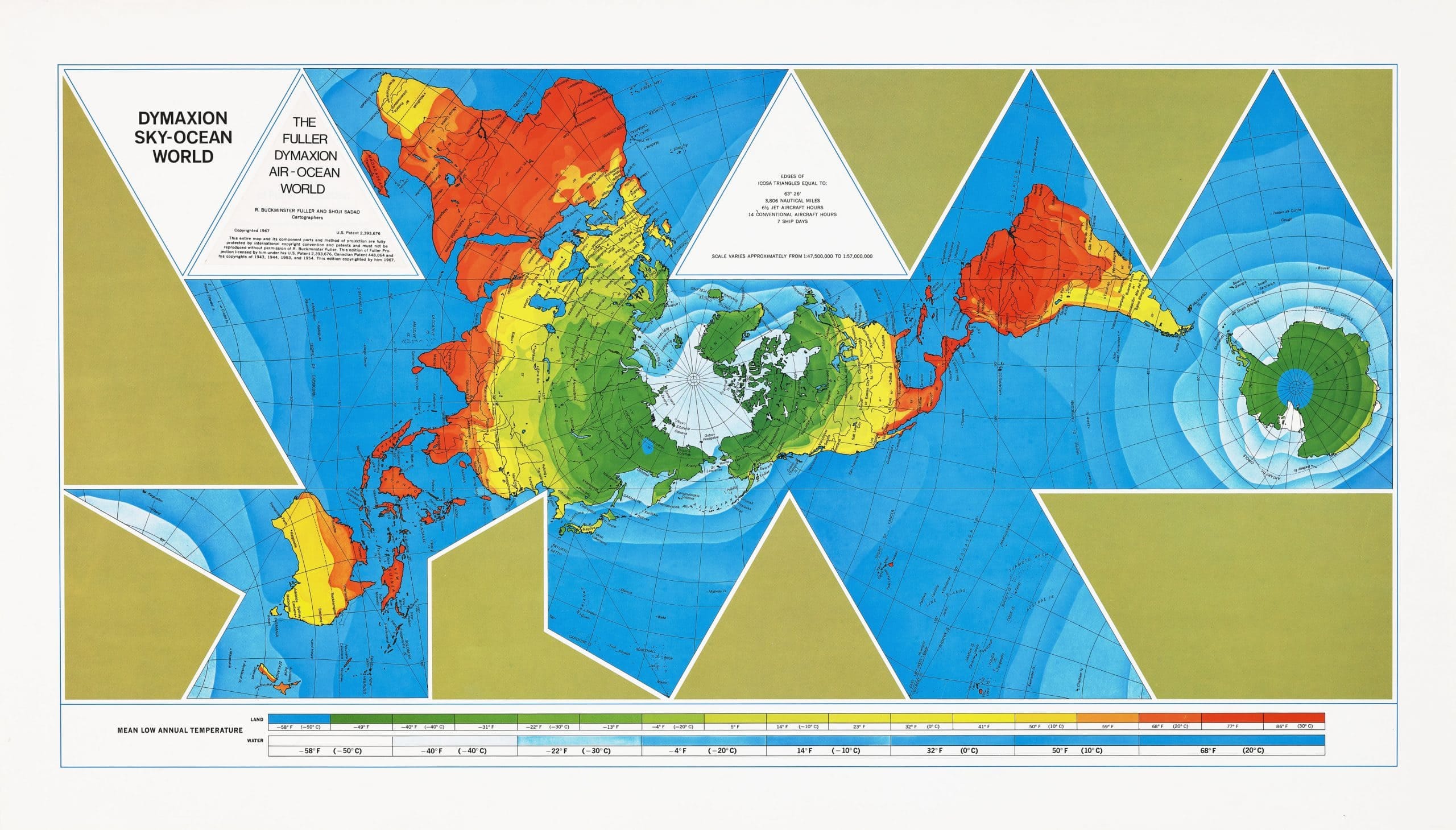
Big fan of this. Maps are political.


For a while I had a dymaxion map as my cover photo on FB. Yes, I was that guy.
Any Human Ever
Most of humanity has been super grim. Most lives were grim. Human resiliency in the face of pestilence, war, infant mortality, etc is remarkable.
Draw a random life and see what it was like to have lived then.
You Can See Everything
I must say, I’m super excited to see more people discover Nathan Fielder’s work through his new documentary on Elizabeth Holmes. I’m very excited about this.
Vacant Building Math
Ever wonder what’s the math on vacant storefronts and if there’s something more to it? It’s in part, to avoid foreclosure, trying to grow it back into its idealized value.
What I’ve Been Up To
Creating:
✍️ Writing - Querying
I sent out a few queries to agents with no bites yet on novel #2. I did research and discovered it can be pretty normal to send out 50 - 100 queries. Before I do those numbers, I wanted to make sure why my query package isn’t resulting in requests for the full manuscript. So, I’m spending October getting it critique/reviewed before continuing.
I did start dabbling/playing with some future stories. Hoping to write a short story in October at least! Keeping the writing muscles warm while I shift gears into some other projects.
👨🏻💻 Coding
See above (A Letter Elsewhere). :)
Consuming:
📚 Reading
The Dream Hotel - Laila Lalami
A modern take on pre-crime focused on algorithms and data privacy. I like how it played with trustworthiness of data through the narrative itself too. Definitely prescient against recent news that ‘predictive policing’ units are pulling people over based on financial data.
Culpability - Bruce Holsinger
This was fantastic. Propelling plot with compelling discussions/themes on how dish out accountability with/alongside our machines. I was fascinated how well it played into themes of late 2026 when it was likely written in 2023/2024. Kudos.
📺 Watching
Slow Horses S2 - S5
Absolutely tore through the rest of Slow Horses. Great spy drama with a lovable bunch of misfits.
Widow’s Bay
Horror isn’t really my thing, but had heard good things about how funny this show. And wow, does it stick it well. Compelling story. Brilliant cast of characters. Scary, frightening, and hilarious. Most of all, one can see how much care went into every single detail and beat of this show. A clear labour of love and it shows.
Love Hypothesis
I enjoy a good feel-good romcom and this one worked well. Great premise. I was also curious how it was translated from a Star Wars fanfic to where it is today!
🏃 Running - Half Marathon
Ran a usual start-of-autumn half marathon. Didn’t train as much this summer (bit of an ‘off year’ and despised training in the hot humidity in DC), and it was hot on the day, so I didn’t get a PB, but I still had a great day out. With each half marathon, I’m definitely dialing into knowing my body better! It’s a great feeling either way. :)
🎶 Listening
Balu Brigada - BedHead
The War On Drugs - Who’s That
TWOD is probably the artist that most resembles the start of autumn weather for me. For some it always feel cozy. The new track is equally great!
Beck - Bleed (Acoustic)
Beck is my favourite musican. His slower melancholic work is excellent, even though I prefer his more eclectic music. This is my favourite track off the new album!
That’s it for September, friends. Hope you get to enjoy a lovely sunset. I’ll see you at the end of October!
Simon
Like what I write? Please consider becoming a patron below ($5/month):
OR: Buy a copy of my self-published debut novel and leave a review!